

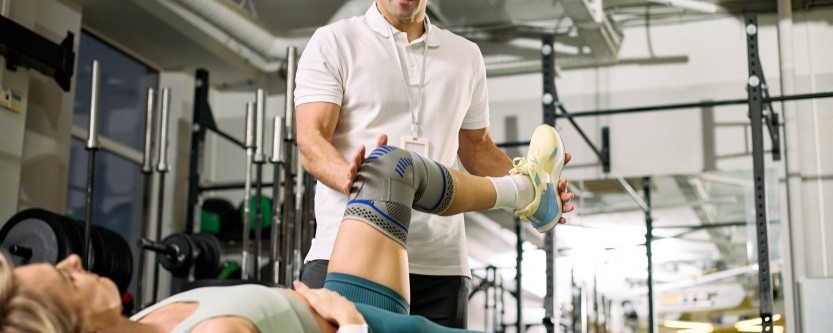
Common pickleball injuries include ankle sprains, Achilles tendon problems, knee pain, lower-back strains, shoulder irritation, and “pickleball elbow.” Many of these conditions can be treated without surgery through activity modification, physical rehabilitation, chiropractic care, soft-tissue treatment, and other conservative options.
At Burghealth Physical Medicine in St. Petersburg, FL, we evaluate the injured area and the movement patterns that may have contributed to the problem.
Pickleball may look less demanding than some court sports, but rapid starts, short sprints, lunges, pivots, overhead shots, and repetitive swings place considerable stress on the body.
Injuries are especially likely when players increase their playing time faster than their conditioning can support.
Pickleball Injury Field Guide
Elbow
Tendon irritation from gripping and repeated forehand or backhand strokes
Shoulder
Rotator cuff irritation, muscle strain, or reduced overhead mobility
Lower Back
Strain from repeated bending, rotation, lunging, or sudden reaching
Knee
Overuse pain, meniscus irritation, arthritis flare-ups, or ligament sprains
Ankle and Achilles
Sprains, tendon irritation, or rupture during a quick push-off
Wrist and Hand
Sprains, fractures, or finger injuries resulting from a fall or ball impact
Pickleball Elbow
Pickleball elbow usually refers to irritation of the tendons connecting the forearm muscles to the elbow. Symptoms may develop on the outside of the elbow, similar to tennis elbow, or less commonly on the inside.
Repeated gripping, an unsuitable paddle grip, late contact with the ball, and relying heavily on the wrist can overload the forearm tendons.
Warning signs include:
- Pain while gripping the paddle
- Elbow tenderness
- Pain when lifting a mug or turning a doorknob
- Reduced grip strength
- Discomfort during a forehand or backhand stroke
Initial care may involve reducing playing volume, adjusting grip size, changing stroke mechanics, and beginning progressive forearm exercises. Active Release Technique may also be considered when muscle and soft-tissue restrictions are affecting movement.
Learn how our Active Release Technique treatments address repetitive strain and sports-related soft-tissue problems.
Rotator Cuff and Shoulder Irritation
Overhead shots and repeated reaching can irritate the rotator cuff tendons or other shoulder structures. Players with limited upper-back mobility may compensate by placing additional stress on the shoulder.
Shoulder symptoms can include:
- Pain when lifting the arm
- Discomfort during overhead shots
- Weakness or reduced control
- Pain while lying on the affected side
- Clicking accompanied by pain
Non-surgical care may focus on restoring comfortable motion, strengthening the rotator cuff and shoulder-blade muscles, and modifying the movements that aggravate the area.
Sudden inability to raise the arm, visible deformity, or severe weakness following an injury should be evaluated promptly.
Lower-Back Strains and Disc-Related Pain
Pickleball requires players to stay low, reach forward, rotate, and change direction quickly. Fatigue or limited hip mobility may cause the lower back to absorb more of this movement.
A muscular strain may produce localized aching or stiffness. Disc or nerve irritation may cause pain, numbness, or tingling that travels into the buttock or leg.
Depending on the diagnosis, non-surgical treatment may include:
- Chiropractic adjustments
- Soft-tissue treatment
- Core and hip strengthening
- Mobility exercises
- Spinal decompression for selected disc-related conditions
- A gradual return to court movement
Burghealth Physical Medicine evaluates whether pain is muscular, joint-related, disc-related, or associated with nerve irritation before recommending care.
Knee Pain From Lunging and Pivoting
The knees repeatedly bend and absorb force as a player approaches the kitchen line, lunges for a ball, or changes direction. Knee arthritis, limited hip strength, or a rapid increase in playing time can make these demands harder to tolerate.
Common pickleball-related knee concerns include:
- Patellofemoral pain around the kneecap
- Patellar or quadriceps tendon irritation
- Arthritis flare-ups
- Meniscus irritation or tears
- Ligament sprains
Physical rehabilitation may target hip, thigh, and lower-leg strength while helping the player improve control during squats, lunges, and directional changes. Shortening playing sessions or temporarily avoiding deep lunges may allow symptoms to settle while strength is rebuilt.
A knee that locks, gives way repeatedly, becomes severely swollen, or cannot bear weight requires timely evaluation.
Ankle Sprains and Achilles Tendon Injuries
An ankle sprain can occur when a player lands awkwardly, steps on a ball, or changes direction before the foot is firmly planted. Achilles tendon injuries may result from repeated overload or one forceful push-off.
Ankle sprain symptoms may include swelling, bruising, tenderness, and difficulty bearing weight. Achilles problems often cause pain or stiffness behind the ankle, particularly during the first steps after rest.
Possible Achilles rupture: Seek prompt care if you feel or hear a pop behind the ankle, experience sudden severe pain, or cannot push off the foot or rise onto your toes.
Non-surgical care for appropriate ankle and tendon injuries may include temporary bracing, progressive loading exercises, balance training, manual therapy, and a carefully managed return to activity.
Wrist, Hand, and Fall-Related Injuries
Falls are a significant pickleball hazard. A player may trip while moving backward, cross their feet during a lateral movement, or dive for a ball and land on an outstretched hand.
This can cause:
- Wrist sprains or fractures
- Finger sprains or dislocations
- Shoulder injuries
- Hip injuries
- Bruising or abrasions
- Head injuries
Do not assume a swollen or painful wrist is merely sprained. Visible deformity, severe swelling, point tenderness over a bone, numbness, or difficulty moving the hand may indicate a fracture or dislocation.
A head impact followed by confusion, vomiting, worsening headache, loss of consciousness, slurred speech, unusual drowsiness, or balance problems requires urgent medical attention.
How Physical Rehabilitation Supports Recovery
Rest can calm an irritated area, but rest alone may not restore strength, mobility, coordination, or tolerance for court activity. Rehabilitation prepares the body for the specific demands of pickleball.
A program may progress through several stages:
- Reduce irritation: Temporarily modify painful movements and address swelling or significant mobility restrictions.
- Restore movement: Improve the range of motion needed for reaching, rotating, lunging, and changing direction.
- Rebuild strength: Progressively load the injured muscles and tendons.
- Retrain control: Practice balance, footwork, and deceleration.
- Return to play: Reintroduce serves, volleys, overheads, and court movement at increasing intensity.
Read more about physical therapy for sports-related injuries at Burghealth Physical Medicine.
Chiropractic Care for Pickleball Players
Chiropractic care may be useful when restricted movement in the spine or other joints is contributing to discomfort or changing the way a player moves.
For example, limited upper-back rotation may place extra demand on the shoulder during a swing. Restricted hip movement may cause the lower back or knee to compensate during a lunge.
Chiropractic treatment may focus on:
- Improving joint mobility
- Reducing mechanical stiffness
- Addressing movement compensation
- Supporting comfortable participation in exercise
Adjustments do not repair every tendon tear, fracture, or ligament injury. Treatment should follow a diagnosis and be combined with rehabilitation when strength or control has been lost.
Laser Therapy and Other Supportive Treatments
Some treatment plans may incorporate laser therapy or other non-invasive modalities to help manage pain and support rehabilitation. These options should complement—not replace—progressive movement and strengthening when exercise is appropriate.
Whole-body vibration may also be incorporated into selected rehabilitation programs to support muscle activation, balance, or mobility. Learn about whole-body vibration therapy in St. Petersburg.
Platelet-Rich Plasma for Selected Sports Injuries
Platelet-rich plasma, or PRP, is prepared from a sample of the patient’s blood. The sample is processed to concentrate platelets and associated growth factors before the preparation is injected into a selected treatment area.
PRP may be discussed for certain tendon, ligament, or joint conditions that have not improved adequately with initial conservative care. Research and expected outcomes vary by diagnosis, preparation method, and injection site.
PRP is not required for most minor pickleball injuries, and it should not be presented as a guaranteed method of tissue regeneration or a substitute for appropriate rehabilitation. Possible risks include pain, bruising, bleeding, infection, and injury to nearby structures.
Our PRP therapy page provides more information about this option.
When Can You Safely Return to Pickleball?
A return should be based on function rather than the number of days since the injury.
Before resuming full play, you should generally be able to:
- Walk and climb stairs without significant pain
- Move the injured joint through the needed range
- Demonstrate strength similar to the uninjured side when relevant
- Perform controlled lunges and directional changes
- Swing the paddle without worsening symptoms
- Complete a light practice without increased pain or swelling afterward
Begin with a shorter, lower-intensity session. Avoid returning directly to a long tournament or several consecutive days of play.
Reduce Your Risk of Another Pickleball Injury
Many injuries occur when enthusiasm outruns conditioning.
Use these practical safeguards:
- Warm up with walking or light movement before playing.
- Use court shoes that provide lateral support and suitable traction.
- Increase playing time gradually.
- Take lessons to improve footwork and stroke mechanics.
- Strengthen the hips, legs, shoulders, and forearms away from the court.
- Stay hydrated, especially during outdoor play in St. Pete.
- Avoid playing through sharp pain or worsening weakness.
- Step toward difficult shots rather than repeatedly reaching beyond your balance.
- Do not backpedal rapidly for a lob when turning and moving forward would be safer.
Schedule a Pickleball Injury Evaluation in St. Pete
Pickleball injuries range from mild overuse irritation to fractures, tendon ruptures, and serious falls. Early evaluation can clarify what was injured and help you begin an appropriate recovery plan.
If a pickleball injury is keeping you off the court in St. Petersburg, FL, call us today at (727) 289-9148 to schedule a non-surgical treatment consultation.